

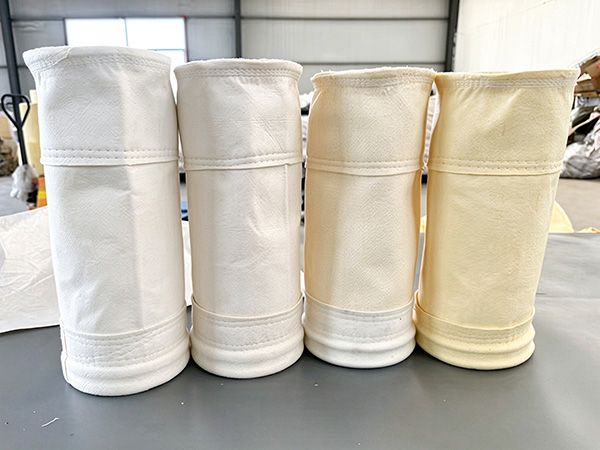
Filter Bag
A filter bag is the fabric separation element of a baghouse or bag filter, capturing dust particles as process air passes through the woven or felted membrane....
What Is a Filter Bag
A filter bag is the fabric separation element of a baghouse or bag filter, capturing dust particles as process air passes through the woven or felted membrane. This equipment is commonly selected for dry particulate control in industrial air handling, where captured dust is kept dry and available for reuse, disposal or return to the process.
It forms part of a dust collection or material handling system connected by ductwork, hoods, hoppers and discharge devices. The design focuses on steady separation, maintainable parts and operation that fits the production layout.
How the Filter Bag Works
Dirty air reaches the bag surface, particles are retained while gas permeates the fabric. A dust cake forms on the face and improves efficiency, and cleaning pulses or reverse flow release the cake for collection.
Air movement and separation are balanced so that dust is captured efficiently without drawing excess energy. Cleaning or discharge cycles respond to process conditions, and cleaned air leaves the system through the designated outlet.
Main Components and Construction
The key parts include: Filter fabric body, sewn or welded seams, collar or cuff at the top, bottom seam or closure, and optional membrane coating or treatment for fine particle and moisture control. These components are assembled into a rugged unit suitable for continuous industrial service, with access points arranged for inspection and part replacement.
Materials and finishes are chosen to match the working environment, including dust abrasion, moisture, temperature and chemical exposure. Seals and joints are arranged to reduce air leakage between working sections.
Common Configurations
Available arrangements can be adapted to different airflow volumes, space constraints and mounting positions. Units may be arranged as a standalone collector, an inline duct component, or a discharge device fitted under a hopper or silo.
Material options, sizes and connection styles allow the equipment to match existing ductwork, frame supports and plant layout. Control may be manual, electric, pneumatic or gravity operated depending on the application.
Typical Applications
The Filter Bag is applied across baghouse dust collectors, pulse jet filtration systems, woodworking and metal dust control, powder and food processing, boiler and mineral exhaust filters and replacement bag stocks for collectors. In each case the equipment addresses dust generation, material separation or flow control at the source rather than treating dispersed air afterward.
It is used both as a primary collection device and as a supporting part of a larger system, such as an accessory fitted to a collector hopper or a filtering element replaced during routine maintenance.
Selection and Sizing
Choose fabric weight, weave or felt, and treatment according to gas temperature, particle size, moisture, abrasion and chemical conditions; match dimensions to the existing cage and housing. Working drawings, duct dimensions and mounting conditions should be reviewed before final sizing to ensure the unit fits the available space and connects properly to upstream and downstream equipment.
Operating temperature, dust properties and required seal level guide material and component choices. Considering future production changes helps the selected unit keep working conditions stable as output or dust load varies.
Installation and Operation
Installation follows preparation of a firm foundation or duct connection, assembly of the unit, connection to ductwork, utilities and control, and a check for leaks and correct motion before commissioning. Baseline readings such as pressure drop, airflow and drive current are recorded for later comparison.
During operation, staff monitor inlet and outlet conditions, hopper or pocket level, drive or cleaning function, and utility supply. Uniform flow and correct discharge help prevent localized wear and keep the system balanced.
Maintenance and Service
Inspect bags for holes, seam leaks and blinding, replace torn or brittle media, check bag seating at the collar, and keep spare bags matched to cage size for quick exchange during maintenance stops. Keeping service records of replacement dates, pressure trends and component life supports planned maintenance and reduces unexpected stops.
Routine inspection also covers seals, fasteners, wear surfaces and moving parts. Replacing worn parts on schedule preserves separation or sealing performance and extends the service life of the whole unit.
Operating Benefits
When matched to the process, this equipment supports cleaner working air, controlled dust emissions and manageable collected material. Dry separation keeps dust in a reusable or disposable form, and accessible components simplify day-to-day service.
A properly selected and maintained unit helps keep pressure or flow conditions steady, protects downstream equipment, and contributes to organized housekeeping and continuous production.